
 August 09, 2024 - BY Admin
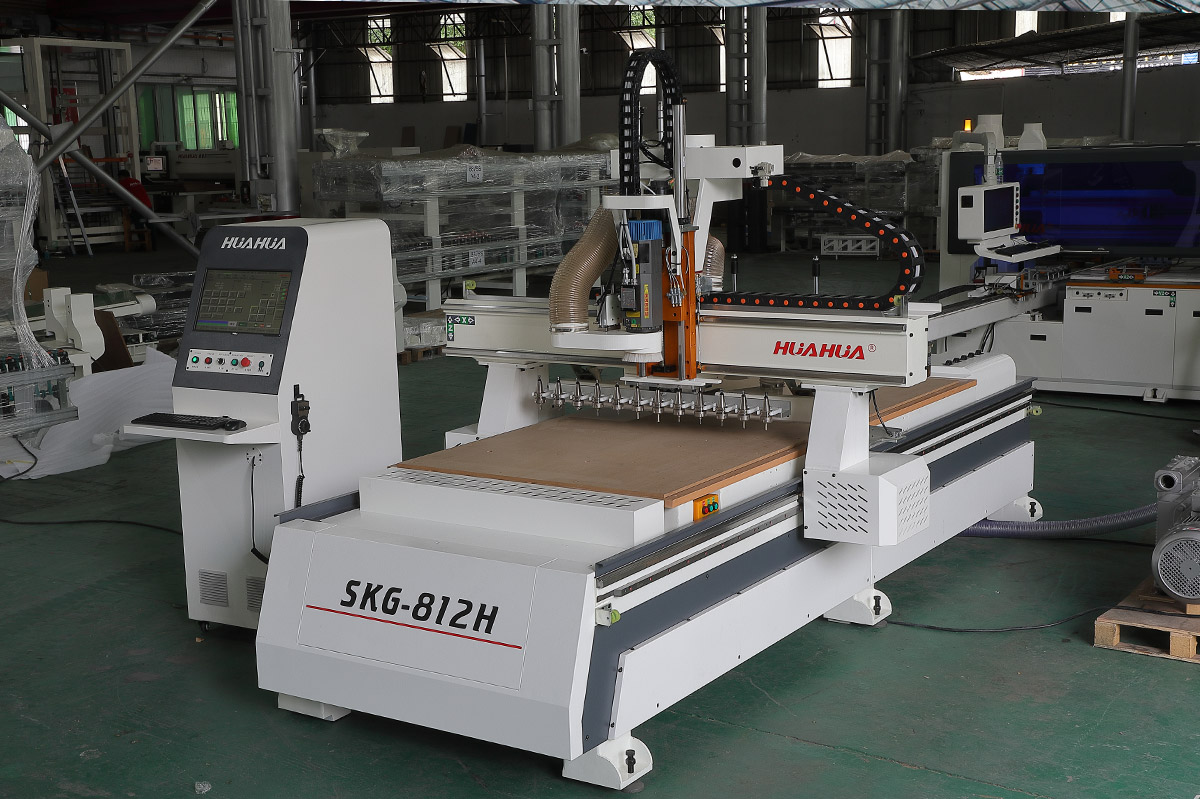
At its core, CNC work is straightforward: a cutting tool follows a preset path, as directed by a computer, to create a part, product, or prototype. This computerized approach offers shop owners numerous advantages, from efficient mid-to-large-scale production to achieving exceptional precision on complex projects.
Although the general concept is straightforward, the methods used to accomplish CNC work are more intricate.
One of the key variations in CNC work is the number of axes a router uses to cut a workpiece. CNC routers typically operate with three primary options for axes: 3, 4, or 5.
Here’s a closer look at each of these options and why a 4-axis CNC router might be the best choice for your specific application.
3-axis CNC router
The most basic form of CNC router features three axes, allowing it to move and cut along all three simultaneously.
The X-axis moves from left to right, the Y-axis moves from front to back, and the Z-axis moves up and down. A 3-axis CNC router is standard and is typically used to cut flat, two-dimensional parts.
4-axis CNC router
The 4-axis router includes all the axes of a 3-axis router, plus an additional A-axis. This A-axis allows the spindle to rotate around the X-axis up to 180 degrees during the cutting process.
The rotational axis enables cuts on multiple sides of the workpiece without needing to reset it, whereas a 3-axis router can only cut one side of a piece at a time. 4-axis CNC routers are ideal for making advanced, intricate cuts and carvings, such as those found in furniture, musical instruments, cabinetry, and more.
5-axis CNC router
The 5-axis router includes the same three core axes (X, Y, and Z) as well as two additional rotational axes: the A-axis, which rotates around the X-axis, and the B-axis, which revolves around the Y-axis. This dual-rotary capability enables cutting along five edges of the material simultaneously.
As a result, 5-axis CNC routers are commonly employed to cut large, three-dimensional parts in industries such as automotive, aerospace, and marine.
Although the fifth axis offers additional versatility and efficiency, the extended X-axis and increased gantry height of these machines can sometimes lead to reduced stability and precision compared to 4-axis routers.
In this video, RouterBob explains the key benefits of the 4th axis and guides us through the entire process of producing a detailed, high-quality furniture leg.
Experience the benefits of the 4th axis with HUAHUA
HUAHUA manufactures top-of-the-line CNC machines that offer precision, efficiency, and versatility, all featuring 4th-axis simultaneous capabilities. This advancement enhances design creativity, boosts efficiency, and improves accuracy, enabling both hobbyists and commercial shop owners to achieve exceptional results with significantly less labor.
Shop our HUAHUA unmatched collection of 4-axis CNC routers, or get a quote today to take your shop’s quality and productivity to the next level.