
 August 21, 2024 - BY Admin
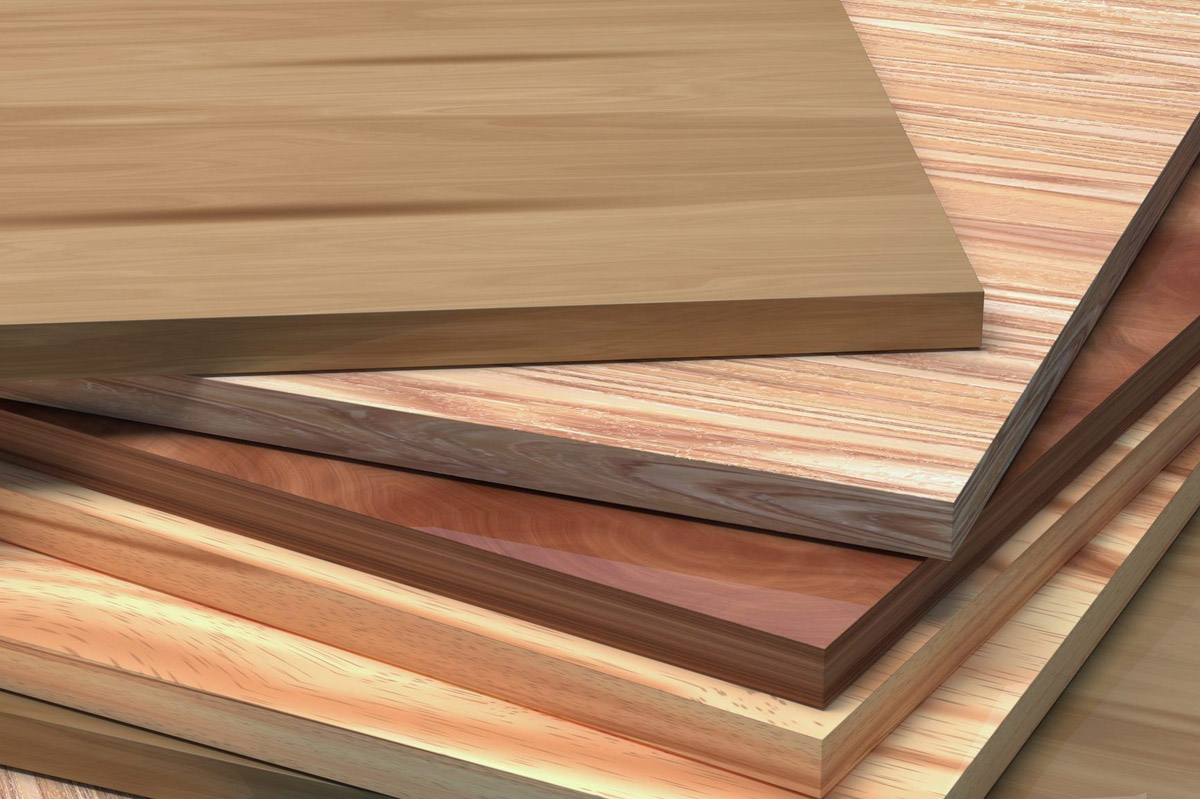
What materials are edging tapes made of? There are various options, and we'll highlight a few key ones here.
PVC
PVC is the most popular material for edge banding in the case of good tops. Pros: It’s inexpensive, durable, and boasts a long life. It doesn’t require any finishing process. It’s also easy, albeit tedious, to repair. Cons: You can’t recycle it. It doesn’t biodegrade. Once it’s blemished, you can’t refinish it. (NB: ABS—Acrylonitrile Butadiene Styrene—is an eco-friendly alternative to PVC because it’s both recyclable and safe to incinerate.)
For PVC edging, we recommend using 3mm thickness as it provides cleaner application, quicker installation, and better adhesion. Additionally, it offers a smooth radius and a soft, attractive finish. We generally avoid 0.5mm edging because the corners tend to be too sharp.
Solid Wood
Solid wood remains a popular choice for case-good tops in many woodworking circles. It is durable, recyclable, easy to repair and refinish, strong, stiff, and cost-effective.
The benefits of solid wood include its superior resistance to chipping compared to veneer edge tape. It also offers more reliable glue adhesion and is less prone to peeling than veneer or PVC. Additionally, it provides extra dimensional support for plywood and MDF and is produced using climate-neutral methods. However, it is challenging to use for curved edges.
We offer solid wood edge banding for tops in a range of thicknesses. And you can apply it internally or externally.
Regarding solid wood, we recommend 9.5mm for good tops.
As we explain below, at HUAHUA, we believe the best way to apply wood edge banding is “internally” with an HPL top. Why? Because, in our experience, it’s incredibly durable and never requires additional service.
Wood Veneer
Wood veneer is a widely used edge banding material for plywood cabinet sides, drawer fronts, and MDF wardrobe doors. It consists of thin slices of wood—commonly oak, maple, ash, walnut, birch, and mahogany—that are joined together in a roll using finger jointing.
It typically has a heat-sensitive glue backing and is available in various thicknesses, making it crucial to select the appropriate thickness based on the specific application.
Pros: Wood veneer is attractive, durable, and strong. It offers a clean, solid-wood appearance and comes pre-sanded to effectively absorb stains and finishes, ensuring a seamless match with your wood. Cons: It’s not heat resistant. Avoid putting it near a heater. It doesn’t do well in high-use environments.
How is edge banding applied?
According to RA Learning Center, there are at least four methods for applying edge banding. While each method has its own details, here is a straightforward list of application techniques and mediums:
Hot-melt glue
Hot air/laser
Iron-on
Laser edging